








In an era where environmental sustainability, biodiversity protection, and responsible land management have become global priorities, local governance models are attracting renewed attention. One such model is viltnemnda, a concept rooted in wildlife management that demonstrates how local decision-making can shape the future of conservation. While the term may not be widely recognized outside Nordic circles, its principles offer valuable lessons for policymakers, entrepreneurs, environmental innovators, and technology leaders seeking practical solutions to modern ecological challenges.
As societies balance economic growth with environmental responsibility, understanding how systems like viltnemnda operate provides insight into effective governance frameworks. The concept illustrates how communities can manage natural resources collaboratively while leveraging expertise, regulation, and public participation.
Understanding Viltnemnda and Its Purpose
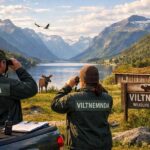
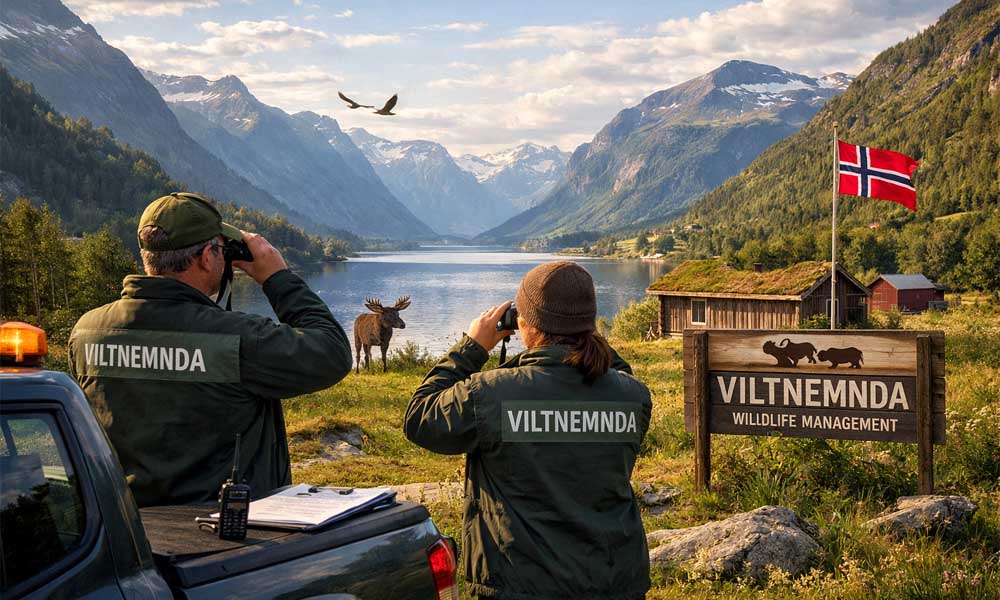
The term viltnemnda refers to a wildlife management committee responsible for overseeing local wildlife-related matters. Traditionally associated with Norwegian wildlife governance, these committees play an important role in managing animal populations, hunting regulations, habitat preservation, and broader conservation initiatives.
The core purpose of viltnemnda is to ensure that wildlife resources are managed sustainably while considering the interests of local communities, landowners, conservation organizations, and government agencies. Rather than relying solely on centralized authority, this approach empowers local stakeholders to participate directly in decision-making processes.
This decentralized structure has become increasingly relevant in a world where environmental challenges often require localized solutions. Wildlife populations vary significantly across regions, making community-level expertise invaluable when crafting effective management strategies.
Why Local Wildlife Governance Matters
Environmental management is rarely a one-size-fits-all endeavor. Different ecosystems face unique challenges, including habitat loss, climate change, urban expansion, invasive species, and shifting migration patterns.
Viltnemnda operates on the principle that those closest to environmental issues often possess the deepest understanding of local conditions. This localized perspective allows for more responsive and adaptive decision-making.
For example, a region experiencing rapid growth in deer populations may require different management strategies than an area focused on protecting vulnerable species. Local committees can assess conditions in real time, gather stakeholder input, and implement measures tailored to specific ecological circumstances.
This flexibility stands in contrast to purely centralized systems, which may struggle to respond quickly to changing environmental realities.
The Evolution of Wildlife Management
Historically, wildlife management focused primarily on regulating hunting and preventing overharvesting. Over time, however, conservation goals expanded significantly.
Modern wildlife governance encompasses a broader range of responsibilities, including ecosystem preservation, biodiversity enhancement, habitat restoration, scientific monitoring, and public education. Viltnemnda has evolved alongside these changing priorities.
Today, wildlife committees often collaborate with environmental scientists, local governments, research institutions, and community organizations. Data-driven decision-making has become a central component of responsible wildlife management.
Technological advancements have accelerated this transformation. Geographic information systems (GIS), drone monitoring, satellite imagery, and AI-powered population modeling enable more accurate assessments of wildlife conditions than ever before.
As a result, committees operating within the viltnemnda framework can make informed decisions supported by measurable evidence rather than relying solely on historical practices or anecdotal observations.
Key Responsibilities of Viltnemnda
Although responsibilities can vary depending on regional regulations, several core functions commonly define the role of a wildlife management committee.
| Responsibility | Purpose |
| Wildlife Population Monitoring | Track species numbers and ecosystem health |
| Hunting Regulation | Establish sustainable harvest levels |
| Habitat Conservation | Protect critical wildlife environments |
| Community Engagement | Incorporate local stakeholder perspectives |
| Conflict Resolution | Address issues involving wildlife and human activities |
| Environmental Planning | Support long-term ecological sustainability |
These responsibilities demonstrate how viltnemnda serves as a bridge between conservation objectives and community interests. The committee structure encourages collaboration rather than confrontation, creating opportunities for balanced decision-making.
Lessons for Entrepreneurs and Technology Leaders
At first glance, wildlife governance may seem unrelated to entrepreneurship or technology. However, the underlying principles behind viltnemnda offer valuable lessons for modern organizations.
One of the most important lessons is the power of decentralized decision-making. Successful startups often empower teams closest to customers and operational challenges. Similarly, wildlife committees rely on local expertise to address environmental concerns effectively.
Another lesson involves stakeholder alignment. Wildlife management requires balancing competing priorities among landowners, hunters, conservation advocates, residents, and government agencies. Businesses face comparable challenges when managing relationships among customers, investors, employees, and regulators.
The collaborative nature of viltnemnda demonstrates how transparent communication and shared objectives can improve outcomes across diverse stakeholder groups.
Technology companies developing sustainability solutions can also draw inspiration from wildlife governance frameworks. Environmental data platforms, predictive analytics tools, and digital monitoring systems all support evidence-based decision-making—a cornerstone of effective wildlife management.
The Growing Role of Technology in Wildlife Governance
Technology is transforming nearly every aspect of environmental stewardship. Wildlife committees increasingly rely on digital tools to enhance efficiency, accuracy, and transparency.
Remote sensing technologies provide detailed information about habitat conditions. Artificial intelligence can identify population trends and predict ecological changes. Mobile applications enable citizens to report wildlife sightings, creating valuable community-generated datasets.
These innovations strengthen the ability of governance bodies like viltnemnda to make informed decisions while maintaining public trust.
Consider the impact of machine learning in population management. By analyzing historical records, migration patterns, climate data, and field observations, predictive models can help identify emerging risks before they become significant problems.
This proactive approach reflects a broader shift from reactive conservation to strategic ecosystem management.
For startups operating within environmental technology sectors, the integration of digital tools into wildlife governance represents a growing opportunity. Solutions that improve monitoring, reporting, analytics, and stakeholder engagement can play a critical role in supporting sustainable resource management.
Challenges Facing Modern Wildlife Committees
Despite their benefits, local wildlife governance systems face several challenges.
One major issue involves balancing competing interests. Conservation objectives may occasionally conflict with economic activities such as agriculture, forestry, tourism, or infrastructure development. Finding solutions that satisfy all stakeholders requires careful negotiation and long-term planning.
Funding constraints also present difficulties. Effective wildlife management often depends on scientific research, monitoring programs, and public outreach initiatives, all of which require financial resources.
Climate change introduces additional complexity. Shifting temperatures, altered migration routes, and changing habitat conditions can affect wildlife populations in unpredictable ways. Committees must continually adapt their strategies to address evolving environmental realities.
Furthermore, increasing public scrutiny demands greater transparency and accountability. Communities expect decision-makers to explain their actions clearly and support policies with credible evidence.
These challenges highlight the importance of continuous improvement within governance frameworks like viltnemnda.
Sustainability and the Future of Viltnemnda
The future of wildlife governance will likely be shaped by sustainability, innovation, and collaboration. As environmental concerns become more prominent, local management systems may play an increasingly important role in achieving conservation goals.
Viltnemnda represents a model that combines community engagement with scientific oversight. This balance enables more adaptive and resilient decision-making, particularly in regions facing rapid environmental change.
Emerging technologies will further enhance these capabilities. Advanced analytics, real-time monitoring systems, and digital collaboration platforms can improve coordination among stakeholders while providing more accurate ecological insights.
At the same time, public participation is expected to grow. Citizens are becoming more engaged in environmental issues and increasingly seek opportunities to contribute to conservation efforts. Local governance structures provide a practical mechanism for incorporating community voices into policy decisions.
The continued success of wildlife management committees will depend on their ability to embrace innovation while preserving the collaborative principles that define their purpose.
Conclusion
Viltnemnda may originate from a specific wildlife governance tradition, but its broader significance extends far beyond environmental management. It demonstrates how localized decision-making, stakeholder collaboration, and evidence-based governance can produce sustainable outcomes in complex systems.
For entrepreneurs, technology professionals, policymakers, and sustainability advocates, the lessons are clear. Effective governance requires more than regulations—it demands engagement, adaptability, transparency, and a commitment to long-term thinking.
As environmental challenges become increasingly interconnected with economic and technological development, models like viltnemnda offer a compelling example of how communities can work together to manage resources responsibly. In a world searching for scalable sustainability solutions, the principles behind this approach remain highly relevant and increasingly valuable.