







In a world increasingly driven by technology, innovation, and rapid economic change, one constant remains essential to social progress: the willingness of people to help one another. Across many communities, volunteer organizations continue to play a vital role in addressing emergencies, supporting public welfare, and strengthening social bonds. Among these organizations, Korps Sukarela stands out as a powerful example of how structured volunteerism can create lasting impact.
The concept of Korps Sukarela extends beyond simple acts of charity. It represents a coordinated effort to mobilize individuals who are committed to serving society during times of need. Whether responding to disasters, supporting healthcare initiatives, assisting vulnerable populations, or participating in community development programs, members of Korps Sukarela demonstrate the value of civic responsibility in action.
As societies become more interconnected and complex, the role of volunteer organizations is becoming increasingly relevant. Understanding how Korps Sukarela operates, why it matters, and what lessons it offers can provide valuable insights not only for communities but also for entrepreneurs, startup leaders, and professionals seeking to build resilient organizations.
Understanding Korps Sukarela
Korps Sukarela, often translated as a voluntary corps or volunteer unit, refers to organized groups of volunteers dedicated to humanitarian and community service activities. These groups are commonly associated with disaster response, public health support, social welfare initiatives, and emergency assistance programs.
Unlike informal volunteer efforts, Korps Sukarela operates through structured systems that include training, leadership, coordination, and operational guidelines. This organized approach enables volunteers to respond effectively during emergencies while maintaining safety and efficiency.
The foundation of Korps Sukarela is built on a simple yet powerful principle: individuals working together can achieve far greater results than isolated efforts. By combining diverse skills, experiences, and resources, volunteer corps create meaningful solutions to community challenges.
Why Volunteer Organizations Matter More Than Ever
Modern societies face a growing number of challenges. Natural disasters, public health crises, economic uncertainty, and social inequality continue to test the resilience of communities worldwide. Governments and institutions often play a leading role in addressing these issues, but they cannot succeed alone.
This is where organizations like Korps Sukarela become indispensable.
Volunteers provide additional manpower, local knowledge, and rapid response capabilities that complement formal institutions. During emergencies, they often serve as the first point of contact for affected individuals. Their presence helps bridge gaps in resources and ensures that assistance reaches those who need it most.
Beyond crisis response, volunteer organizations contribute to long-term community development. They support educational programs, health campaigns, environmental initiatives, and social outreach efforts that improve quality of life.
For startup founders and business leaders, this model offers an important lesson: sustainable success often depends on building strong networks of people who share a common purpose.
The Core Functions of Korps Sukarela
One reason Korps Sukarela remains effective is its ability to serve multiple community needs. Rather than focusing on a single mission, volunteer corps often engage in a variety of activities designed to promote public welfare.
The following table highlights some of the primary functions typically associated with Korps Sukarela.
| Function | Purpose | Community Impact |
| Disaster Response | Assist during floods, earthquakes, fires, and emergencies | Faster relief and recovery efforts |
| Healthcare Support | Aid public health campaigns and medical outreach | Improved community health awareness |
| Social Services | Support vulnerable populations and welfare programs | Enhanced social inclusion |
| Community Education | Conduct awareness and training initiatives | Increased public preparedness |
| Environmental Programs | Participate in conservation and cleanup efforts | Stronger environmental sustainability |
These activities demonstrate how volunteer organizations contribute to both immediate relief efforts and long-term social progress.
The Leadership Principles Behind Korps Sukarela
One of the most interesting aspects of Korps Sukarela is its leadership structure. Successful volunteer organizations rely on many of the same principles that drive high-performing businesses and startups.
First, they operate with a clear mission. Every volunteer understands the purpose behind their work, creating alignment and motivation.
Second, they prioritize training and preparedness. Volunteers are often equipped with practical skills that enable them to respond effectively in challenging situations. This emphasis on continuous learning mirrors the growth mindset embraced by successful organizations.
Third, they foster collaboration. Volunteers come from diverse backgrounds, bringing different perspectives and capabilities. Effective coordination transforms these individual strengths into collective impact.
Finally, they cultivate trust. Communities depend on volunteer corps during critical moments, making credibility and reliability essential components of their success.
For entrepreneurs, these principles offer valuable guidance. Teams that share a mission, invest in development, collaborate effectively, and earn trust are far more likely to achieve long-term success.
Korps Sukarela in Disaster Management
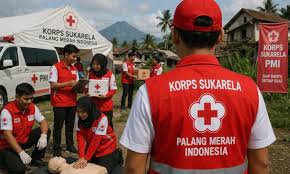
Perhaps the most visible role of Korps Sukarela is disaster management. In regions vulnerable to floods, earthquakes, storms, or other emergencies, trained volunteers can make a significant difference.
Disaster response often requires immediate action. Volunteers assist with evacuations, distribute supplies, support emergency shelters, and help coordinate relief operations. Their local knowledge allows them to identify urgent needs quickly and communicate effectively with affected communities.
The importance of this role cannot be overstated. During the critical hours following a disaster, timely assistance can save lives and reduce suffering.
Moreover, Korps Sukarela often participates in preparedness initiatives before disasters occur. Through training programs, awareness campaigns, and community drills, volunteers help residents understand how to respond during emergencies. This proactive approach increases resilience and reduces vulnerability.
The emphasis on preparation offers another lesson for organizations. Just as communities prepare for emergencies, businesses must prepare for uncertainty. Risk management, contingency planning, and operational readiness are crucial for navigating unexpected challenges.
The Human Side of Volunteer Service
Statistics and operational strategies tell only part of the story. The true impact of Korps Sukarela is reflected in the lives it touches.
Imagine a family displaced by flooding. Emergency responders arrive, but so do trained volunteers carrying food, blankets, and information. For those affected, these volunteers represent more than assistance—they provide reassurance during a difficult moment.
Similarly, health outreach programs often rely on volunteers who educate communities, support vaccination campaigns, and assist healthcare workers. Their efforts contribute to healthier populations and improved public awareness.
These examples highlight an important reality: meaningful change is often driven by human connection. While technology and infrastructure are essential, compassion remains a powerful force in community development.
What Businesses Can Learn from Korps Sukarela
At first glance, volunteer organizations and startups may appear to operate in entirely different worlds. However, many of the practices that make Korps Sukarela effective can also strengthen businesses.
Purpose-driven leadership is one such example. Employees increasingly seek organizations that stand for something meaningful. A clearly defined mission inspires engagement and commitment.
Adaptability is another shared characteristic. Volunteers frequently work in dynamic environments where conditions can change rapidly. Businesses that develop similar flexibility are better positioned to respond to market shifts and emerging opportunities.
Community engagement also matters. Organizations that build strong relationships with stakeholders often enjoy greater trust, loyalty, and long-term support.
Perhaps most importantly, Korps Sukarela demonstrates the power of collective action. Major achievements rarely result from individual effort alone. Success emerges when people align around a common goal and work together toward meaningful outcomes.
The Future of Korps Sukarela in a Digital World
Technology is transforming nearly every aspect of society, including volunteerism. Digital platforms now enable volunteer organizations to coordinate activities, communicate more efficiently, and reach broader audiences.
Mobile applications can streamline volunteer registration and deployment. Data analytics can improve resource allocation. Social media platforms help raise awareness and mobilize support during emergencies.
These innovations enhance the effectiveness of Korps Sukarela while preserving its core mission of service.
At the same time, technology introduces new opportunities for collaboration between volunteer organizations, governments, nonprofits, and private companies. Partnerships that combine technological expertise with community engagement can generate powerful solutions to complex challenges.
As digital transformation continues, volunteer corps that embrace innovation while maintaining strong human connections will be well positioned to maximize their impact.
Conclusion
Korps Sukarela represents far more than a volunteer organization. It embodies the principles of service, leadership, collaboration, and resilience that help communities thrive in both ordinary and extraordinary circumstances.
Through disaster response, healthcare support, social outreach, and educational initiatives, volunteers create meaningful change that extends well beyond immediate assistance. Their work demonstrates how organized civic engagement can strengthen societies and improve lives.
For entrepreneurs, startup founders, and business leaders, the lessons are equally valuable. Mission-driven leadership, preparedness, adaptability, and community engagement are not only essential for volunteer organizations but also for sustainable business success.
In an era defined by rapid change, Korps Sukarela serves as a reminder that progress is ultimately built on people working together toward a common purpose. Whether in community service, business, or innovation, collective action remains one of the most powerful tools for creating a better future.